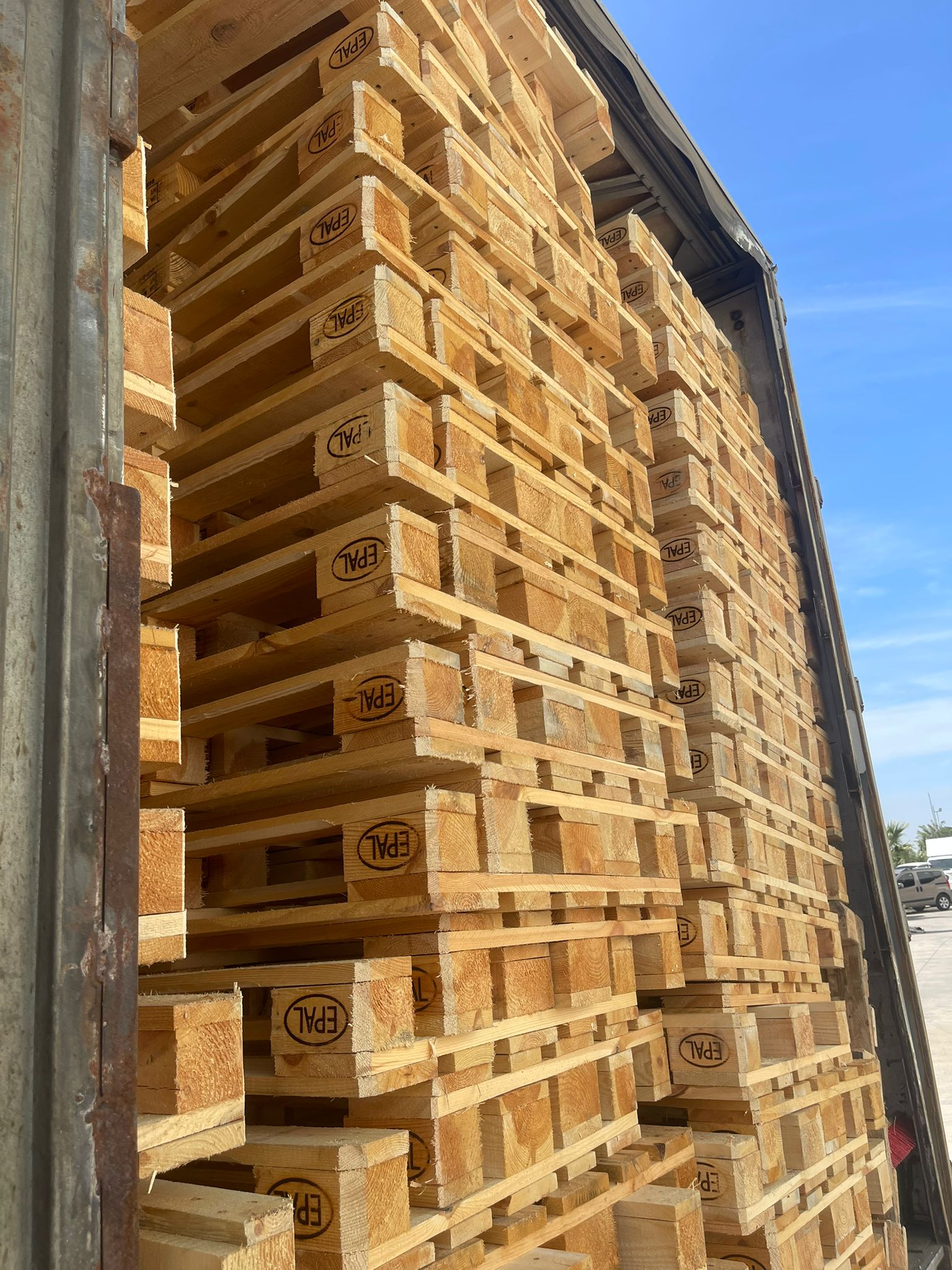

Wooden Pallets Shop
Add a review FollowOverview
-
Founded Date June 24, 1932
-
Sectors Support
-
Posted Jobs 0
-
Viewed 24
Company Description
It Is Also A Guide To Top Wooden Pallets In 2024
The Versatility of Wooden Pallets: A Comprehensive Guide
Wooden pallets are the unsung heroes of shipping and logistics. Frequently ignored, these simple wooden structures play a crucial role in guaranteeing the smooth transportation of goods around the world. As markets progressively concentrate on sustainability, the value of wooden pallets has risen– both for their practicality and their environmentally friendly properties. In this informative blog post, we will explore the different kinds of wooden pallets, their uses, benefits, care suggestions, and even look into the myths and truths surrounding these wooden wonders.
Types of Wooden Pallets
Providing a robust structure that can manage numerous loads, wooden pallets can be found in various styles and specifications. Here is a table highlighting the most common types of wooden pallets and their features.
| Kind Of Wooden Pallet | Description | Load Capacity | Ideal Use |
|---|---|---|---|
| Stringer Pallet | Built with 3 or more parallel stringers supporting deckboards, making it perfect for heavy loads. | 2,000– 6,000 lbs | General shipping and storage (heavy items) |
| Block Pallet | Features vertical blocks linking the top and bottom deckboards, allowing for entry on all four sides. | 2,500– 4,000 pounds | Grocery and retail sectors (forklift availability) |
| Double-Face Pallet | Both sides have deckboards, giving it extra resilience. | 2,500– 4,000 lbs | Multiple-use transport of goods |
| Single-Face Pallet | A simpler style with deckboards on one side, mostly used for light-weight items. | 1,000– 2,500 lbs | Displaying products in retail or lightweight shipping |
| Euro Pallet | Sticks to European standard sizes and guidelines, recognised for its sturdiness and reparability. | 1,500– 2,500 pounds | International shipping and standardization |
Use Across Industries
Wooden pallets find applications throughout a multitude of markets, showcasing their adaptability. Here’s a list of common usages:
- Shipping and Logistics: Efficiently moving a variety of products, from electronics to furnishings.
- Retail Displays: Providing an economical, rustic screen for product in shops.
- Furniture and Home Decor: Crafting furniture pieces like coffee tables, bed frames, and shelving.
- Farming: Transporting agricultural products like fruits and vegetables.
- Recycling and Waste Management: Reducing waste by recycling older pallets for various purposes.
Benefits of Wooden Pallets
The benefits of wooden pallets are substantial and contribute to their popularity in different sectors. Below is a list of advantages:
- Sustainability: Made from eco-friendly resources, wooden pallets can be recycled or repurposed, lowering landfill waste.
- Cost-Effectiveness: Typically more economical than plastic or metal alternatives, wooden pallets offer an affordable choice.
- Strength and Durability: Wooden pallets can deal with heavy loads, making sure the safe transport of products without damage.
- Customization: Easily modified to satisfy particular requirements, consisting of different sizes and configurations.
- Aesthetic Appeal: Their natural appearance makes them a favorite for DIY tasks and rustic decoration.
Taking Care Of Wooden Pallets
To take full advantage of the life expectancy of wooden pallets, appropriate care and upkeep are necessary. Here are some handy ideas:
- Regular Inspections: Routinely examine for signs of damage or wear, such as splinters, fractures, or broken boards.
- Prevent Overloading: Adhere to weight limitations to prevent structural failure and extend resilience.
- Store Properly: Keep pallets dry and off the ground to prevent wetness absorption and rot.
- Tidy Regularly: Periodically tidy pallets to get rid of dirt and particles, particularly if they dealt with food.
- Repair work as Needed: Fix damaged boards or loose nails promptly to guarantee their functionality.
Typical Myths About Wooden Pallets
Amidst their usefulness, several misconceptions persist about wooden pallets that can lead to confusion. Here are a few typical mistaken beliefs debunked:
-
Myth: Wooden Pallets Are Unsafe for Food Use
- Fact: When appropriately treated and maintained, wood pallets can be used securely in food transport. Try to find heat-treated (HT) pallets that satisfy safe requirements.
-
Myth: All Pallets Are the Same
- Truth: There are numerous types and styles of wooden pallets tailored for specific usages, making them far from uniform.
-
Misconception: Wooden Pallets Are Not Eco-Friendly
- Reality: Wood is a renewable resource, and recycling wood pallets decreases ecological impact.
FAQ About Wooden Pallets
Q: How long do wooden pallets typically last?A: With
correct care, wooden pallets can last several years. Factors affecting durability include material quality, use, and ecological conditions. Q: Can wooden pallets be used outdoors?A: Yes,
however it’s best to use treated wooden pallets specifically designed for outdoor usage to avoid rot and decay. Q: How need to I dispose of old wooden pallets?A: Wooden pallets can frequently be recycled or
repurposed. Some neighborhoods have recycling programs for pallets,while others enable for safe disposal in land fills. Q: Are wooden pallets safe for carrying delicate materials?A: Yes, as long as they are appropriately cleaned up and sanitized, wooden pallets can be used to transfer delicate products, consisting of food and electronics. Wooden pallets, often eclipsed by newer technologies, continue to be indispensable across numerous industries. Their versatility, sustainability, and cost-effectiveness ensure that they stay a preferred option in logistics and transport. Understanding the kinds of wooden pallets, their advantages, Agrony Trading LLC and correct care can assist organizations optimize their operations while welcoming environmentally friendly practices. Whether for shipping, crafting, or storing, wooden pallets will certainly have a long lasting impact in our modern-day world.