

Eaves Repair
Add a review FollowOverview
-
Founded Date July 25, 2021
-
Sectors Marketing Executive
-
Posted Jobs 0
-
Viewed 33
Company Description
You’ll Never Guess This Fascia And Cladding’s Secrets
Understanding Fascia and Cladding: Essential Components of Building Design
When it pertains to building construction and style, two necessary parts often go ignored: fascia and cladding. These architectural aspects play important functions in both the looks and the performance of a structure. Comprehending their importance can help in making informed decisions throughout the design and remodelling of buildings.
In this blog post, we will check out fascia and cladding, discussing their materials, functions, advantages, and typical questions associated with them, eventually providing an extensive overview for both professionals and homeowners.
What is Fascia?
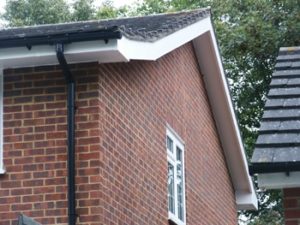
Fascia is a structural component that forms the edge of the roofing, lying horizontally along the Eaves Replacement. This flat board or panel offers a completed aim to the roofline and plays multiple functions in the overall stability of a structure.
Functions of Fascia
-
Aesthetic Appeal: Fascia supplies a tidy edge to the roofline and can be customized with different designs and colors to boost the total look of a house.
-
Support for Gutters: The fascia board acts as an assistance system for seamless gutters, aiding in rainwater drain and securing the underlying structure from water damage.
-
Security Against Pests: A well-installed fascia can assist avoid bugs, such as rodents and insects, from going into the roof area or attic.
-
Ventilation: In some designs, Fascia And Soffit Installation systems consist of ventilation that can help regulate attic temperatures, avoiding damage from heat and wetness.
Normal Materials for Fascia
| Material | Description | Advantages | Disadvantages |
|---|---|---|---|
| Wood | Conventional choice; can be painted or stained | Natural appearance; personalized | Prone to rot and bug damage |
| Vinyl | Long lasting, low-maintenance option | Resistant to moisture | Restricted style choices |
| Aluminum | Light-weight and resistant to deterioration | Low maintenance | Can dent easily |
| Composite | Made from a mix of wood fibers and plastic | Durable and rot-resistant | Higher cost |
What is Cladding?
Cladding refers to the application of one product over another to provide a skin or layer that safeguards and embellishes the structure. It functions as an external layer of defense versus the aspects and adds insulation, visual appeals, and durability to a building.
Functions of Cladding
-
Weather Resistance: Cladding protects structures from rain, wind, and UV radiation, improving their durability and structural stability.
-
Insulation: Cladding can assist in thermal insulation, lowering energy costs by keeping homes warmer in winter season and cooler in summer.
-
Sound Reduction: Fascia Installation Depending on the products utilized, cladding can likewise offer acoustic insulation, lowering sound from external sources.
-
Aesthetic Value: With a variety of materials, colors, and designs offered, cladding can considerably boost the aesthetic appeal of a structure.
Typical Materials for Cladding
| Product | Description | Advantages | Drawbacks |
|---|---|---|---|
| Wood | Uses a timeless look; can be stained or painted | Visually appealing | Requires maintenance |
| Vinyl | Long lasting, flexible, and low maintenance | Resistant to fading | Can crack in extreme temperatures |
| Brick | Traditional masonry product | Long-lasting and fire-resistant | Heavier and more pricey |
| Metal | Includes aluminum and steel; contemporary look | Highly long lasting and low maintenance | Can be prone to rust if uncoated |
| Composite | Made from recycled wood or plastic products | Environmentally friendly and low maintenance | Higher preliminary expense |
The Importance of Fascia and Cladding
Both Fascia And Cladding (www.bitsdujour.com) are essential to building style, offering essential security, resilience, and beauty. Property owners frequently ignore these functions, however they should be considered throughout the preparation and refurbishment stages.
Advantages of Proper Installation
-
Boosted Aesthetic Appeal: A properly designed fascia and cladding system can considerably enhance a building’s look.
-
Increased Property Value: Quality products and professional installation can enhance the market value of a property.
-
Energy Efficiency: By supplying insulation and defense versus the aspects, fascia and cladding contribute to lower energy costs.
-
Minimized Maintenance: High-quality products can decrease the time invested in maintenance and repairs.
FAQs About Fascia and Cladding
1. How often should fascia and cladding be changed?
The lifespan of fascia and cladding depends mostly on the products utilized and ecological factors. Generally, wood fascias may require replacement every 10-20 years, while vinyl and metal can last 30+ years. Routine evaluations can help determine wear and tear early on.
2. Can I install fascia and cladding myself?
While it is possible to undertake these installations as a DIY project, it is frequently advised to work with professionals. Proper installation is vital for protecting the structure from moisture damage and guaranteeing general efficiency.
3. What maintenance do fascia and cladding require?
Fascia and cladding require varying levels of maintenance based upon the products used. Wood might need routine painting or sealing, while vinyl and metal might only require periodic cleaning to keep appearance.
4. How do I know if I need to change my fascia or cladding?
Indications of wear consist of noticeable rot in wood, rusting metal, fading colors, or gaps that enable water penetration. Professional assessments can offer a comprehensive examination.
5. What is the most energy-efficient cladding material?
Products such as insulated vinyl or composite cladding can offer excellent energy efficiency due to their insulating properties. The option may also depend upon climate and structural requirements.
Fascia and cladding might seem small in the grand scheme of building style, but they hold enormous value. From enhancing aesthetic interest supplying vital weather resistance, these components shape how structures endure the test of time. By understanding their roles, homeowner and designers can make educated options to enhance the longevity, beauty, and performance of their structures.