

Commercial Window Installation
Add a review FollowOverview
-
Founded Date March 3, 2016
-
Sectors Boiler 1st Class Attendant
-
Posted Jobs 0
-
Viewed 5
Company Description
Where Do You Think Residential Window Installation One Year From This Year?
Comprehensive Guide to Residential Window Installation
Residential window installation is a significant consideration for property owners aiming to boost the functionality and looks of their properties. Windows play an essential function in energy performance, security, and comfort and can significantly impact the overall value of a home. Whether setting up brand-new windows in a recently built home or changing old windows in an existing house, understanding the procedure can ensure that the installation is finished effectively and effectively.
Benefits of Residential Window Installation
Before diving into the installation procedure, it is useful to comprehend the numerous benefits new window setups offer:
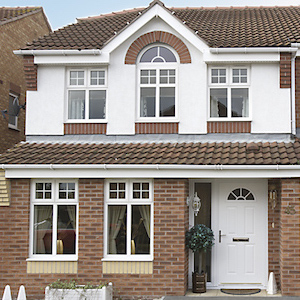
- Increased Energy Efficiency: Modern windows are developed to supply better insulation, resulting in decreased heating and cooling costs.
- Enhanced Aesthetics: New windows can enhance the curb appeal of a home, making it more attractive to potential buyers.
- Enhanced Security: Updated windows typically include much better locking mechanisms and stronger materials, improving home security.
- Noise Reduction: Newer window designs can help lessen outdoor noise, developing a more tranquil indoor environment.
- UV Protection: Modern windows frequently consist of coverings that secure furniture and floor covering from hazardous ultraviolet (UV) rays.
Types of Residential Windows
There are numerous types of residential windows readily available, each offering special benefits. Below is an extensive list of common window styles:
- Double-Hung Windows: Feature 2 vertically moving sashes, enabling ventilation from the top or bottom.
- Casement Window Installer Near Me Windows: Hinged on the side and open external, supplying exceptional ventilation.
- Slider Windows: Operate horizontally and are easy to open, making them suitable for bigger openings.
- Awning Windows: Hinged at the top and open outside, using ventilation even during rain.
- Bay and Bow Windows: Project outside from the home, creating additional interior area and scenic views.
- Image Windows: Large, fixed windows that do closed, ideal for capturing views.
Table 1: Comparison of Window Types
| Window Type | Ventilation | Energy Efficiency | Aesthetic appeals | Maintenance |
|---|---|---|---|---|
| Double-Hung | Yes | Moderate | Traditional | Moderate |
| Casement Window Installers Near Me | Excellent | High | Modern | Low |
| Slider | Moderate | Moderate | Smooth | Low |
| Awning | Excellent | High | Stylish | Low |
| Bay/Bow | Limited | High | Remarkable | Moderate |
| Image | No | High | Classy | Low |
The Installation Process
Installing windows can be a complicated task needing careful preparation and execution. Here is a detailed overview of the installation process:
1. Preparation and Measurements
- Select Window Style: Choose the window type based upon your requirements, aesthetics, and budget plan.
- Procedure Window Openings: Accurate measurements are vital for making sure a correct fit. A professional installer frequently takes this step to prevent mistakes.
2. Elimination of Old Windows
- Prepare the Area: Clear any furnishings or obstacles near the window’s installation site.
- Cautious Removal: Safely remove old windows, taking care not to harm surrounding structures.
3. Installation of New Windows
- Insert the New Window: Place the brand-new window into the opening and guarantee it is level.
- Protect it: Fasten the window frame using screws or nails, following maker standards.
- Insulate: Add insulation to close gaps around the window frame to prevent drafts.
- Seal: Apply caulking to develop a waterproof seal in between the Quick Window Installer and the frame.
4. Ending up Touches
- Set up Trim: Add window housing or cut for visual appeals.
- Final Inspection: Check for any spaces, leaks, or alignment issues.
- Tidy Up: Remove any particles and tidy the new window.
5. Post-Installation Care
Following installation, homeowners ought to follow basic maintenance tips to optimize the longevity of their brand-new windows. Regular cleansing, evaluation for damage, and timely caulking will assist preserve performance and visual appeals.
Regularly Asked Questions (FAQs)
1. How long does window installation take?
The time required for window installation can vary based on the number of windows being installed and the complexity of the job. Typically, it can take anywhere from a few hours to a couple of days.
2. Do I need an authorization for window installation?
In lots of areas, a permit is required for window installation, specifically if the job involves structural changes. It’s a good idea to examine Local Casement Window Installer guidelines.
3. How do I know if I need to replace my windows?
Signs that might show the need for replacement consist of drafts, trouble opening or closing the windows, split or rotting frames, and high energy costs.
4. What should I expect during the installation procedure?
Property owners can anticipate some noise and interruption during the installation procedure. However, professional installers usually aim to reduce inconvenience.
5. Can I install windows myself?
While DIY installation is possible, hiring a professional is recommended for correct fitting, insulation, and sealing, specifically given the financial investment included.
Residential window installation is an important home enhancement procedure that provides various benefits, consisting of enhancing energy efficiency, security, and aesthetics. Understanding the various kinds of windows and the actions associated with the installation procedure empowers property owners to make educated decisions. Whether tackling this job personally or employing specialists, proper preparation and attention to information can make sure a successful outcome, ultimately raising the convenience and worth of the home.